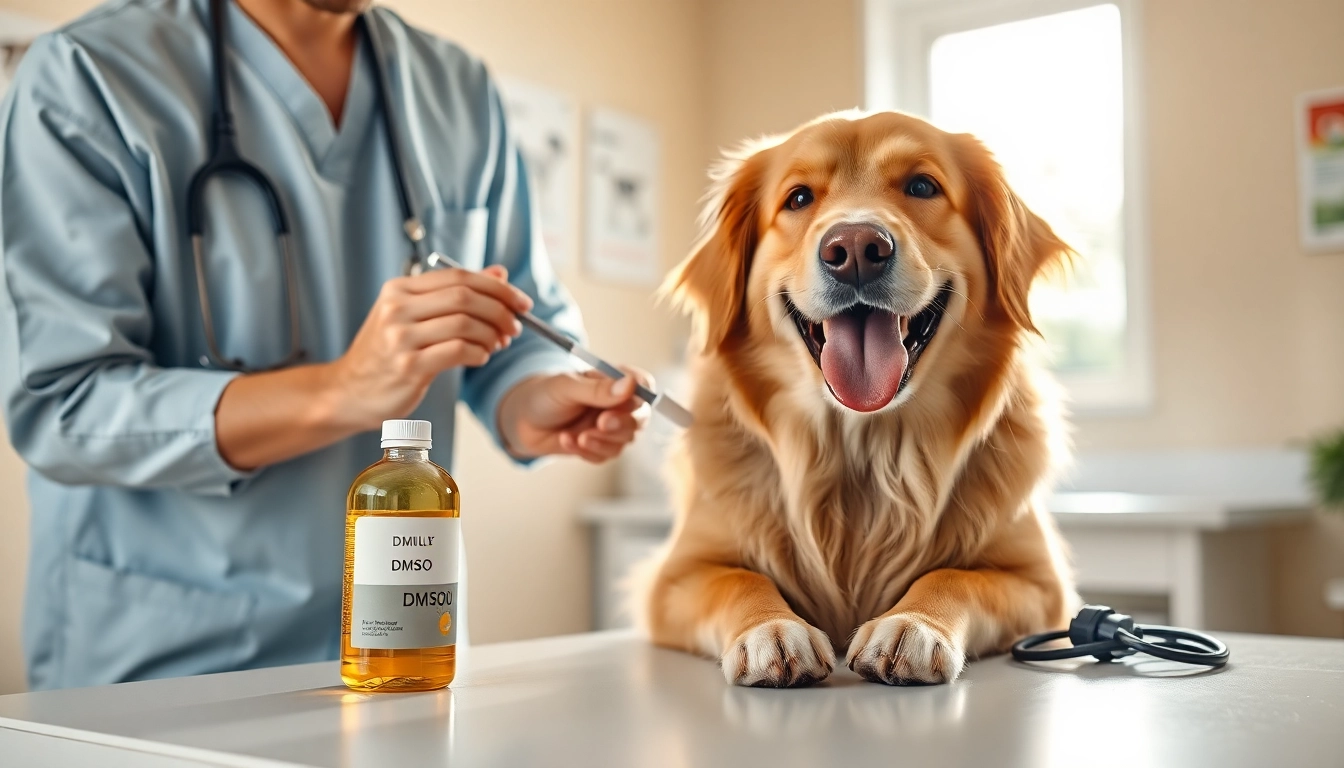
Understanding DMSO for Dogs
What is DMSO?
Dimethyl sulfoxide (DMSO) is a colorless, odorless liquid that is a byproduct of wood processing. As a solvent, it has gained popularity in veterinary medicine due to its unique properties. DMSO can penetrate biological membranes, making it an ideal candidate for drug delivery applications. Its anti-inflammatory and analgesic effects have led to its use in various animal health contexts, particularly in dogs. Many pet owners and veterinarians are exploring the benefits of dmso for dogs in managing pain and various skin conditions.
How DMSO Works in Canines
In canines, DMSO operates through several mechanisms. Primarily, it reduces inflammation and swelling by inhibiting inflammatory mediators and promoting increased blood circulation in the affected area. It also serves as a carrier for other medications, enhancing their absorption through the skin. Research suggests that DMSO can rapidly reduce pain and improve function in joints by delivering anti-inflammatory drugs directly to the site of pain.
Benefits of DMSO for Dogs
The application of DMSO is associated with numerous benefits for dogs:
- Anti-inflammatory Properties: DMSO is well-known for its ability to reduce inflammation, which can help dogs suffering from arthritis or injuries.
- Analgesic Effects: It serves as a pain reliever, providing comfort to dogs enduring chronic pain or post-surgical discomfort.
- Skin Health: DMSO can treat skin ailments, including lick granulomas and dermatitis, by promoting healing and reducing irritation.
- Support for Chemotherapy: For dogs undergoing cancer treatments, DMSO may help mitigate the side effects of chemotherapy.
Applying DMSO for Dogs Safely
Topical Application Guidelines
Applying DMSO would typically involve the following steps for optimal safety and effectiveness:
- Consultation: Always consult with a veterinarian before starting DMSO therapy to ensure it is appropriate for your dog’s specific condition.
- Clean Area: Thoroughly clean the area of application to maximize absorption and prevent irritation from impurities.
- Thin Layer Application: Apply a thin layer of DMSO directly to the affected area, ensuring to avoid any open wounds.
- Monitor for Reactions: Observe the dog for any adverse reactions such as redness, excessive itching, or swelling post-application.
Recommended Dosages for Dogs
Dosages of DMSO can vary based on the dog’s size, weight, and the condition being treated. A general guideline is:
- For small dogs (up to 10 lbs): Apply 1 to 2 grams once or twice daily.
- For medium dogs (11 to 30 lbs): Apply 2 to 5 grams once or twice daily.
- For large dogs (31 lbs and above): Apply 5 to 10 grams once or twice daily.
Always be sure not to exceed a total daily dosage of 20 grams and limit therapy duration to 14 days unless otherwise directed by a veterinarian.
Potential Risks and Side Effects
While DMSO is generally considered safe for many dogs, it can cause side effects in some cases:
- Skin Irritation: Some dogs may experience localized skin reactions. It's essential to monitor the application site closely.
- Garlic-like Taste or Odor: Dogs may exhibit increased salivation or a noticeable garlic odor after application.
- Interaction with Medications: Because DMSO enhances the absorption of other substances, it may inadvertently increase the effects of medications being used concurrently. Always consult with a veterinarian about potential interactions.
Common Conditions Treated with DMSO for Dogs
Joint Pain and Arthritis Relief
Joint pain and arthritis are common issues in aging dogs. DMSO's anti-inflammatory properties can alleviate these conditions by reducing swelling and improving mobility. Veterinary studies consistently show that topical application leads to significant improvements in range of motion and lifespan quality for arthritic dogs.
Skin Conditions and Inflammation Management
Many dogs suffer from various skin conditions such as itchiness, hot spots, and dermatitis. DMSO has been utilized effectively to treat these conditions by promoting healing and providing anti-inflammatory relief. Its penetrative properties allow it to act quickly and effectively to soothe affected skin.
Post-Surgical Healing Support
DMSO can be beneficial in the recovery process post-surgery. As it reduces inflammation and promotes circulation, it can help minimize swelling and speed up recovery times. This attribute can be beneficial for dogs recovering from orthopedic surgeries or other invasive procedures.
Alternatives to DMSO for Dogs
Other Natural Remedies
While DMSO is a powerful remedy, there are other natural alternatives to consider:
- Coconut Oil: Supports skin health and has anti-inflammatory properties.
- Turmeric: Known for its antioxidant and anti-inflammatory abilities, turmeric can aid in managing arthritis pain.
- Fish Oil: Omega-3 fatty acids from fish oil supplements help reduce joint inflammation.
Prescription Medications and Treatments
Veterinarians may recommend NSAIDs (non-steroidal anti-inflammatory drugs) or corticosteroids for more severe pain management. Medications such as carprofen, deracoxib, or meloxicam can provide effective relief for joint issues.
When to Consult a Veterinarian
It’s crucial to seek veterinary advice when your dog shows prolonged signs of pain, lameness, or discomfort. A vet can rule out underlying health issues and recommend tailored treatment plans. If you want to try DMSO, ensure it’s appropriate for your dog’s specific medical history.
FAQs About DMSO for Dogs
How Often Can DMSO Be Applied to Dogs?
DMSO can generally be applied every 6 to 12 hours, but consult your veterinarian for tailored advice based on your dog's needs.
Can DMSO Cause Allergic Reactions in Dogs?
Although rare, some dogs may experience allergic reactions. Monitor for signs like redness or swelling at the application site and consult a vet if they occur.
Is DMSO Safe for All Dog Breeds?
DMSO is safe for most breeds, but it's crucial to consult a veterinarian before use, especially for those with pre-existing conditions.
Can I Use DMSO for My Dog's Itchy Skin?
Yes, DMSO can help with itchy skin, but always do a patch test first and consult your veterinarian for guidance.
What Should I Do If My Dog Ingests DMSO?
If your dog ingests DMSO, contact your veterinarian immediately, as ingestion can lead to serious health issues.