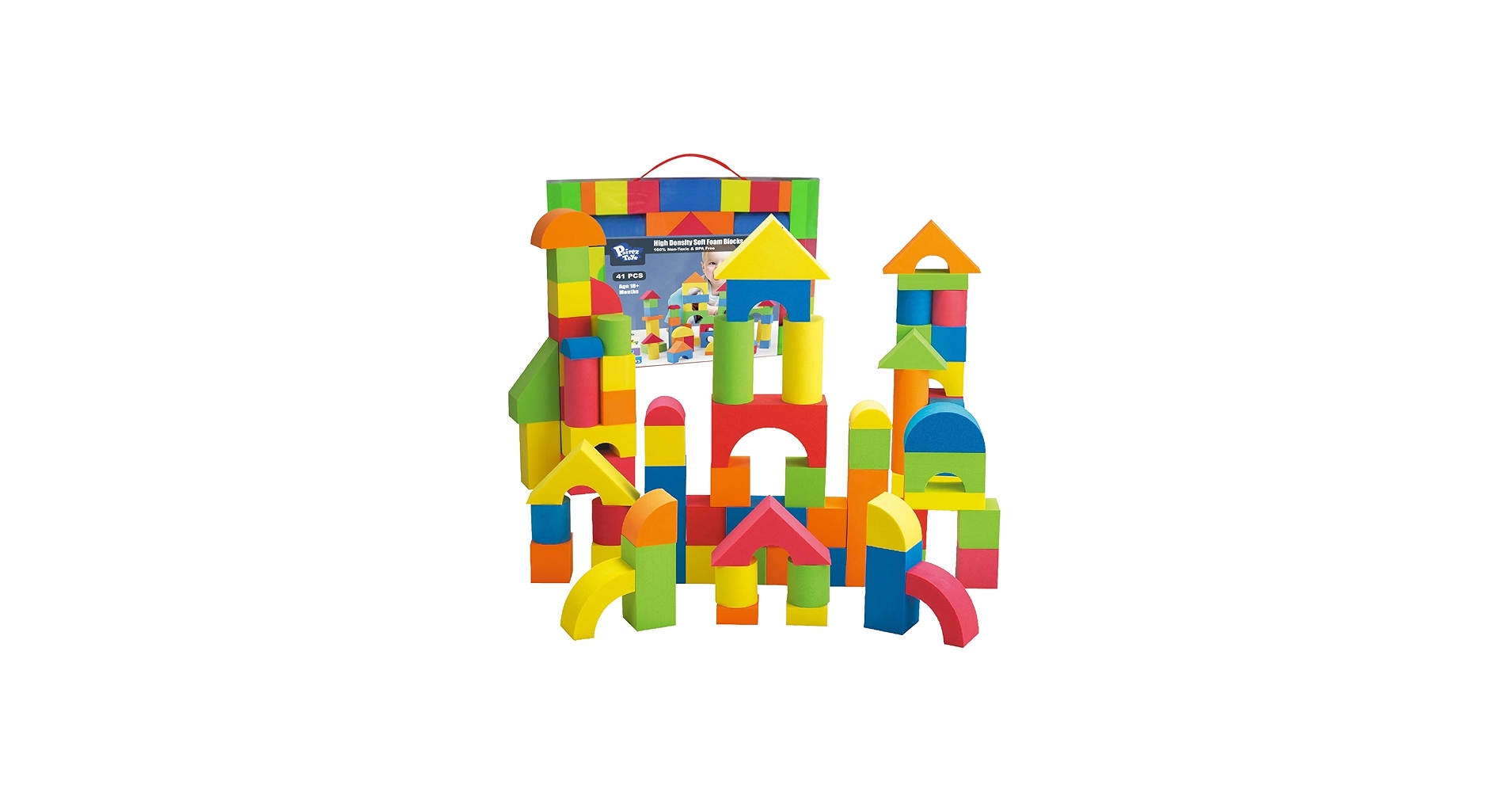
Introducing Giant Building Blocks for Indoor Fun
What are Giant Building Blocks?
Giant building blocks are oversized, child-friendly construction toys that encourage creativity, imagination, and collaborative play among young children. Made from safe, durable materials, these blocks come in various shapes and colors, allowing kids to create virtually anything they can envision - from castles to intricate tunnels. Their large size enhances engagement and makes it easier for young children to manipulate the blocks, bringing their imaginative designs to life. If you want to learn more about these fantastic building tools, discover more about their features and benefits.
Benefits of Playing with Building Blocks
The benefits of playing with giant building blocks extend well beyond mere entertainment. Firstly, they promote critical thinking and problem-solving skills as children strategize on how to balance and connect blocks. Furthermore, engaging in block play enhances fine motor skills, as children learn to grip and manipulate the various pieces effectively.
Another significant benefit is the development of social skills. When built together, children learn to cooperate, negotiate, and share their ideas, leading to improved teamwork capabilities. Moreover, physical benefits include refined hand-eye coordination and improved strength, as children lift and arrange heavier blocks compared to standard sized ones.
Safety Considerations for Kids
While giant building blocks are designed with safety in mind, it's crucial to adhere to certain safety considerations. Parents and facilitators should ensure that blocks are made from non-toxic materials and are free from sharp edges. Additionally, supervising playtime can prevent accidents, especially when large structures are built. Establishing an appropriate play space also adds an additional layer of safety, minimizing the risk of falls or injuries.
Creative Ways to Use Giant Blocks
Designing Indoor Play Areas
Creating dynamic indoor play areas with giant building blocks can transform any space into a wonderland of imagination. Parents can designate a room or playroom, filling it with soft mats for safety and cushions to provide comfort. Using large rugs can also help define play areas and separate them from other household activities.
Children can arrange blocks to create designated spaces such as a kitchen, a school, or even an outdoor landscape inside. Integrating curtains or sheets can provide privacy or secret hideaways, enhancing creativity as they play. Encouraging them to decorate these spaces with drawings or stickers adds a personalized touch to their imaginative zones.
Organizing Play Dates with Blocks
Organizing play dates centered around giant building blocks can be a delightful way for children to socialize and bond. Invite other children to join in, encouraging cooperative play such as team challenges where they work together to build the tallest tower or the most elaborate cityscape.
Parents can facilitate these activities by providing themed playtime, such as construction themes, where kids can wear hard hats and vests, adding an interactive role-play element to the building process. Offering refreshments and space for breaks will help keep energy levels high and spirits lifted during play dates.
Incorporating Learning with Fun Activities
Giant building blocks are not only tools for play, but also powerful educational resources. Parents and educators can design engaging activities where children learn fundamental concepts such as counting, basic physics, and even language skills through block play.
For example, building simple structures can introduce concepts like balance and gravity while providing tangible examples for children to explore. Storytelling can also be incorporated by using the structures as backdrops for narrative adventures, effectively blending learning with imaginative play.
Enhancing Creativity Through Block Play
Encouraging Imagination and Strategy
Giant building blocks ignite children's imaginations, pushing them to think beyond traditional structures. Encouraging kids to envision what they want to build prompts them to strategize effectively. For instance, if a child desires to build a spaceship, they may plan the design and consider the balance before starting, fostering extraordinary cognitive skills.
As they work through their ideas, they experience trial and error, enhancing their understanding of construction and spatial relationships. This hands-on approach reinforces problem-solving skills while nurturing a child's innate creativity.
Building Skills in Teamwork
Teamwork is an essential skill developed through collaborative block play. When children work together to build a structure, they must communicate effectively, share responsibilities, and respect each other's ideas. These interactions support social development and collective problem-solving, training children to function well in team environments.
Activities designed to encourage group participation, such as team challenges or breakdown of roles, can instill confidence and enhance social skills, which are critical for their future interactions.
Developing Spatial Awareness
Giant building blocks are excellent tools for developing spatial awareness, as children learn how different shapes fit together in three-dimensional space. While stacking blocks, kids understand concepts like height, width, and depth, which are foundational in geometry and other subjects.
Encouraging children to visualize their structures before building also enhances their ability to perceive spatial relationships accurately. Over time, these activities boost their understanding of how objects interact and move in space, a critical component of cognitive development.
Maintenance and Storage Tips
Cleaning and Care for Giant Blocks
Proper maintenance of giant building blocks ensures their longevity and safety for children. Regular cleaning is essential, especially if the blocks are frequently used outside or in playgroups. Most blocks can be wiped down with a damp cloth and mild soap or disinfectant wipes to sanitize them effectively.
It's also advisable to check for any signs of wear, such as cracks or rough edges, which can pose safety risks. Storing the blocks in a clean, dry area also helps prevent mold or mildew buildup, ensuring a safe play environment.
Best Storage Solutions for Easy Access
Efficient storage solutions are crucial for keeping giant building blocks organized and accessible. Using clear bins labeled with the type or size of blocks makes it easier for children to find what they need while promoting independence during playtime.
Alternatively, shelving units or cubbies can provide both storage and display, showcasing the blocks and making playtime preparations quick and straightforward. Ensuring the storage solutions are child-friendly promotes responsibility as children learn to help clean up after play.
Setting Up for Different Activities
Different activities can be facilitated by rearranging the stored giant building blocks into various configurations. For example, if planning for a block-building competition, clear an area where children can spread out, encouraging movement and creativity. Customizing the setup can lead to themed days, such as creating habitats for toy animals or architectural wonders from around the world.
Providing tools like measuring tapes or colored markers can enhance the building experience, simultaneous to motivating children to take time and care with their designs.
FAQs on Giant Building Blocks
What age are giant building blocks suitable for?
Giant building blocks are generally suitable for children aged 3 and up, as they are designed to be safe for toddlers while also engaging older children in imaginative play.
How do giant blocks enhance learning?
Giant blocks promote learning by developing critical thinking, spatial awareness, and fine motor skills through hands-on play and creative expression.
Can blocks be used outdoors?
Yes, many giant blocks are durable enough for outdoor use. It's essential to store them properly when not in use to extend their lifespan.
What materials are used in giant blocks?
Giant blocks are typically made from high-density foam or durable plastic, designed to be lightweight and safe for children.
How do I clean my building blocks?
Building blocks can be cleaned with a damp cloth and mild soap. Regular cleaning ensures they’re safe and hygienic for children to play with.