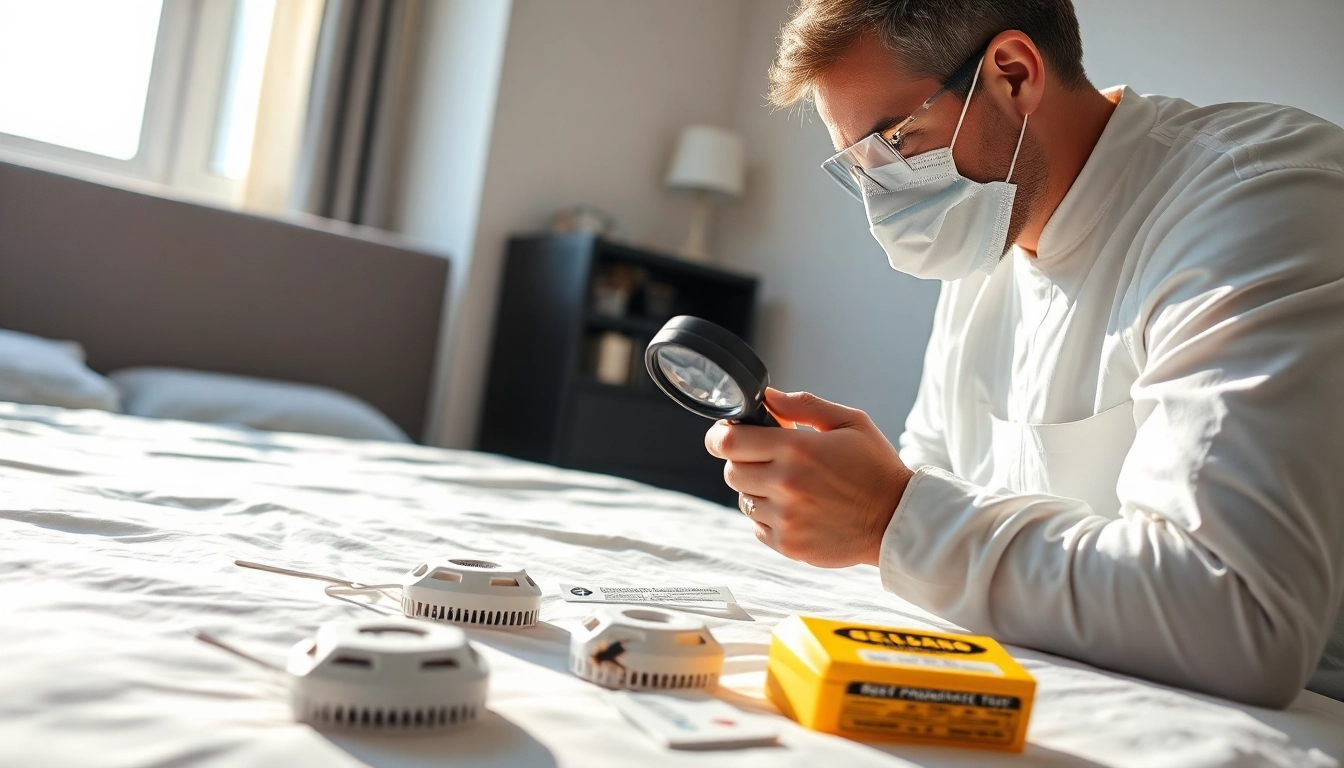
Understanding Bed Bug Removal
Bed bugs are small, parasitic insects that feed on human blood. They are notoriously difficult to eradicate once they establish an infestation in a home or business. Effective bed bug removal is essential not only to ensure your comfort but also to protect your health. In this comprehensive guide, we will explore everything you need to know about identifying, removing, and preventing bed bug infestations.
What Are Bed Bugs?
Bed bugs are small nocturnal insects that belong to the Cimicidae family. They are about the size of an apple seed, with a flattened, oval body that ranges in color from light brown to reddish-brown. Female bed bugs lay hundreds of eggs, which can hatch quickly in ideal conditions, leading to rapid population growth. They are mainly active at night and can hide in various places, including mattress seams, bed frames, and furniture, making them difficult to spot.
Signs of Infestation
Recognizing the signs of a bed bug infestation early is crucial for effective removal. Common indicators include:
- Itchy bites on your skin, often in a line or cluster.
- Dark spots on your mattress or walls, which are bed bug excrement.
- Visible bed bugs, particularly during nighttime inspections.
- Egg casings or shed skins left behind in hiding spots.
Importance of Timely Action
Taking immediate action upon suspecting a bed bug infestation can significantly increase the chances of successful removal. Bed bugs reproduce rapidly, with a single pair potentially leading to thousands of bugs in just a few months. Delaying action not only exacerbates the problem but can also lead to increased treatment costs and discomfort.
DIY Methods for Bed Bug Removal
Initial Steps to Take
If you detect a bed bug infestation, the first step is to contain it. Start by reducing clutter in the affected area, which provides more hiding places for bed bugs. Vacuuming the area thoroughly is crucial; use a vacuum with a disposable bag to avoid spreading the bugs. After vacuuming, immediately seal the bag and dispose of it outside your home.
Common Home Remedies
Various home remedies can assist in your initial attempts to control bed bug populations. While not always completely effective, remedies such as:
- Using diatomaceous earth: This natural powder can eliminate bed bugs by dehydrating them when they come into contact with it.
- Essential oils: Oils like tea tree and lavender are sometimes used for their insect-repelling properties. However, results may vary.
- Washing bedding and clothing: Washing items in hot water can kill any bed bugs present.
It is crucial to note that while these methods can offer temporary relief, they often do not eliminate the entire infestation.
Heat and Cold Treatments
Heat treatments can be effective because bed bugs cannot survive extreme temperatures. Washing items in hot water (at least 120°F) or using a clothes dryer on high heat can kill bed bugs and their eggs. Alternatively, cold treatments involve placing infested items in a freezer set below 0°F for several days.
Professional Bed Bug Removal Services
Identifying Certified Exterminators
When DIY methods fall short, consulting a professional exterminator may be necessary. Look for certified pest control services with experience specifically in bed bug management. Always check for licensing, insurance, and customer reviews to ensure their credibility.
Treatment Options Offered
Professional exterminators typically use a combination of techniques to eliminate bed bugs, which may include:
- Chemical treatments: Pesticides designed for bed bugs can be highly effective when applied correctly.
- Heat treatments: Involves raising the temperature in infested spaces to lethal levels for bed bugs.
- Vacuuming and steam cleaning: Powerful vacuums and steam treatments can also help remove and kill bed bugs.
Expected Costs and Timelines
The cost of bed bug removal can vary significantly based on the extent of the infestation, the size of your property, and the methods used. On average, homeowners can expect to spend anywhere from a few hundred to a couple of thousand dollars for professional services. Treatment timelines can also vary, with most strategies requiring multiple visits over a few weeks to ensure complete eradication.
Preventing Future Infestations
Maintenance and Monitoring
Post-treatment, maintaining vigilance is essential. Regularly inspect your sleeping areas and common hiding spots for signs of bed bugs. Using monitoring traps can help catch any new activity early.
Using Protective Measures
Investing in protective mattress and box spring encasements can help prevent bed bugs from infesting these areas. These encasements should be bed bug-proof and used consistently to deter re-infestation.
Tips for Travelers
Traveling can often introduce bed bugs into your home. To minimize your risk, check hotel rooms for signs of bed bugs before unpacking, keep your luggage elevated off the floor, and wash travel clothes upon returning home.
Frequently Asked Questions About Bed Bug Removal
How can I prevent bed bugs from returning?
To prevent future infestations, maintain cleanliness, use protective bedding covers, regularly inspect areas prone to bed bugs, and be cautious while traveling.
What should I do if I see a bed bug?
If you spot a bed bug, document its location, eliminate clutter, and begin DIY treatment methods while considering professional help to ensure full eradication.
Are chemical treatments safe for my family?
When used correctly, chemical treatments can be safe. Always follow the manufacturer's instructions and vacate the premises during application, if advised.
How long does bed bug removal take?
Bed bug removal timing varies by infestation severity. Most comprehensive treatments require several weeks and multiple follow-up visits for effective results.
What are the signs that bed bugs are gone?
Signs bed bugs may be gone include no new bites, the absence of live bed bugs or eggs, and the lack of freshly deposited fecal spots after treatment.