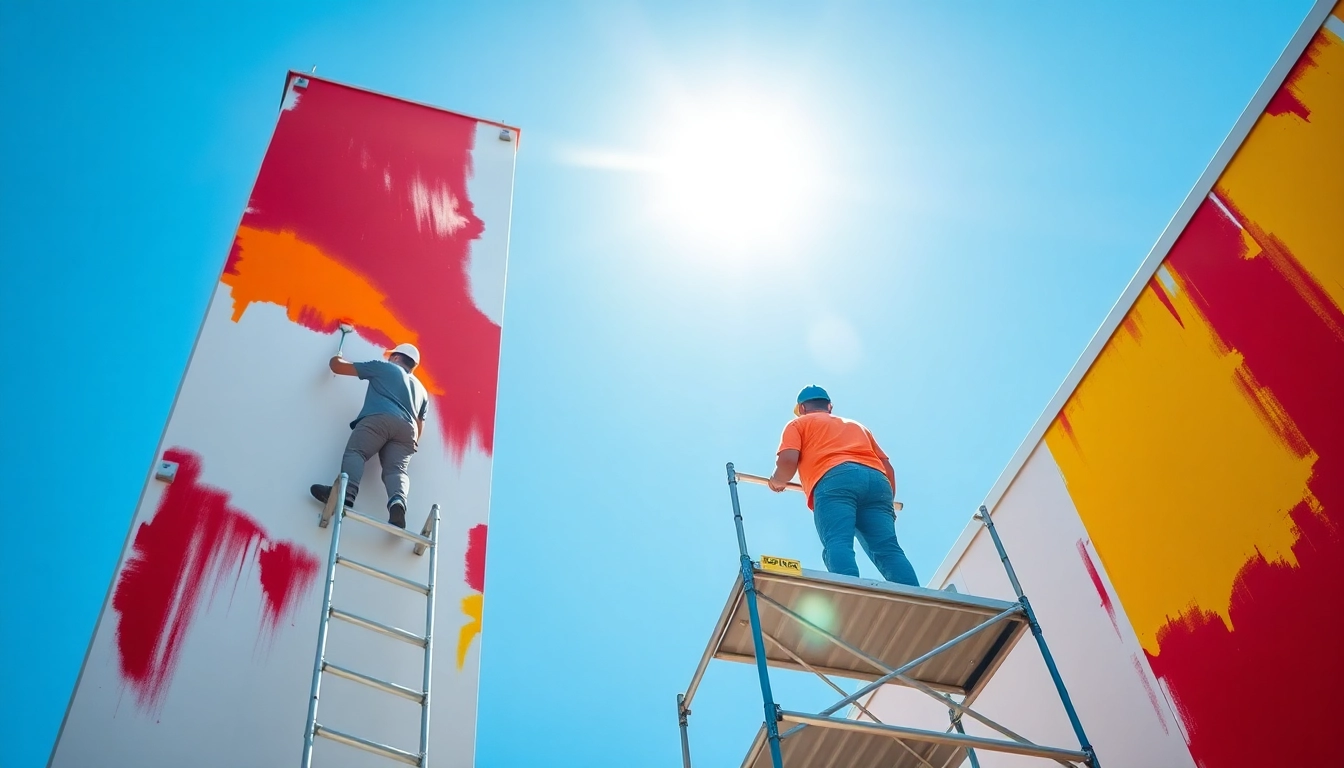
Understanding Commercial Painting
Definition and Importance of Commercial Painting
Commercial painting refers to the application of paint and coatings to commercial properties such as offices, retail spaces, warehouses, and more. Its significance cannot be overstated; it not only enhances the aesthetic appeal of a space but also protects surfaces from wear and tear, boosts property value, and contributes to creating a pleasant environment that can improve employee productivity and customer satisfaction. Investing in commercial painting is ultimately a strategic decision for any business aiming for success.
Common Types of Commercial Painting
There are several types of commercial painting tailored for different environments, including:
- Interior Painting: Focused on enhancing indoor spaces, it involves selecting colors and finishes suitable for high-traffic areas.
- Exterior Painting: This protects buildings from weather elements while providing curb appeal. It’s essential for longevity and maintenance.
- Industrial Painting: Specialized coatings designed for warehouses and factories to withstand harsh working conditions.
- Spray Painting: A method used for a quick and even application over large surfaces, ideal for warehouses and retail spaces.
Preparing for Your Commercial Painting Project
Effective preparation can make or break your commercial painting project. Consider these steps:
- Assessment: Evaluate the condition of walls and surfaces.
- Color Selection: Choose colors that align with your brand and create the desired atmosphere.
- Scheduling: Plan the painting project during off-peak hours to minimize disruption.
- Surface Cleaning: Ensure surfaces are clean and primed for the best paint adhesion.
Techniques and Tools Used in Commercial Painting
Essential Tools and Equipment
Successful commercial painting requires the right tools, including:
- Paint Rollers: Great for large surfaces, providing an even coating.
- Brushes: Ideal for detail work and edges, ensuring a neat finish.
- Paint Sprayers: Efficient for large areas, offering a smooth finish.
- Drop Cloths: Essential for protecting floors and furniture from paint spills.
- Ladders and Scaffolding: Necessary for reaching high ceilings safely.
Effective Painting Techniques
Painting techniques can significantly affect the result of a job. Here are a few:
- Cutting In: A technique used for painting edges and corners for a sharp finish.
- Back Rolling: Used after spraying to eliminate overspray and ensure even coverage.
- Layering: Applying multiple coats can help achieve the desired color depth and durability.
Safety Measures during Commercial Painting
Safety is paramount in commercial painting. Implement the following measures:
- Protective Gear: Provide gloves, goggles, and masks to protect workers from fumes and spills.
- Ventilation: Ensure the workspace is well-ventilated to disperse any hazardous fumes.
- Fall Safety: Use harnesses and safety gear when working at heights.
- Emergency Protocols: Have established protocols for accidents or emergencies on site.
Choosing the Right Colors and Finishes
Color Psychology in Commercial Spaces
Color can profoundly impact mood and behavior. Consider these effects:
- Blue: Evokes calmness and trust, making it a popular choice in offices.
- Red: Stimulates energy and excitement, often used in retail.
- Green: Associated with nature, it enhances relaxation and balance.
Types of Paint Finishes for Durability
Selecting the right finish is crucial for long-term durability. Common options include:
- Matte Finish: Offers a smooth look but less durable and harder to clean.
- Satin Finish: Strikes a balance between matte and gloss with better durability.
- Gloss Finish: Highly durable and easy to clean, ideal for high-contact areas.
Current Trends in Commercial Painting
Keep abreast of the latest trends in commercial painting:
- Eco-Friendly Paints: Increasing demand for sustainable, low-VOC paints.
- Bold Colors: A trend towards vibrant palettes to convey creativity.
- Smart Technology: Use of app-controlled paint that changes color digitally.
Common Challenges in Commercial Painting
Addressing Surface Issues
Dealing with problematic surfaces such as cracks or mold is crucial. Solutions include:
- Surface Preparation: Repair all surface imperfections before painting.
- Choosing Appropriate Products: Use primers that cater to the specific surface conditions.
Managing Project Timelines
Avoiding delays is essential to maintain project integrity. Here are some strategies:
- Detailed Planning: Create a timeline that includes all stages of the project.
- Regular Updates: Communicate with the team to adjust timelines as necessary.
Budgeting for Commercial Painting Projects
Budget considerations should encompass various factors:
- Materials: Invest in quality paints and supplies that last longer.
- Labor Costs: Factor in skilled labor, which may be higher but ensures quality work.
- Contingency Funds: Set aside funds to handle unexpected expenses.
Measuring Success in Commercial Painting Projects
Assessing Quality and Finish
Significant metrics to gauge the success of your project include:
- Visual Inspection: Conduct thorough checks of the finish and adherence.
- Durability Tests: Evaluate how well the paint withstands wear and tear.
Gathering Feedback from Clients
Client feedback helps ensure satisfaction and improves future projects:
- Surveys: Use post-completion surveys to gauge client satisfaction.
- Follow-ups: Schedule follow-ups to check on the paint’s performance over time.
Long-Term Maintenance Tips for Commercial Spaces
Maintaining paint in commercial settings involves:
- Regular Cleaning: Dust and wash surfaces to keep them looking fresh.
- Touch-Ups: Schedule periodic touch-ups to maintain aesthetic appeal.
- Annual Inspections: Check for surface issues that may need addressing.
FAQs
What is commercial painting?
Commercial painting involves the application of paint on commercial properties to enhance aesthetics and protect surfaces.
How long does a commercial painting project take?
Project duration varies based on size and complexity but typically ranges from a few days to several weeks.
What type of paint is best for commercial use?
Acrylic latex paints are commonly preferred for their durability, ease of cleaning, and low VOC content.
How can I maintain painted commercial spaces?
Regular cleaning and periodic touch-ups can help maintain the look and longevity of painted surfaces.
Is it necessary to hire professionals for commercial painting?
While some may attempt DIY, hiring professionals ensures quality, efficiency, and adherence to safety standards.
Contact Information
Address:Branam Brushworks LLCCall Us:+12076168892