
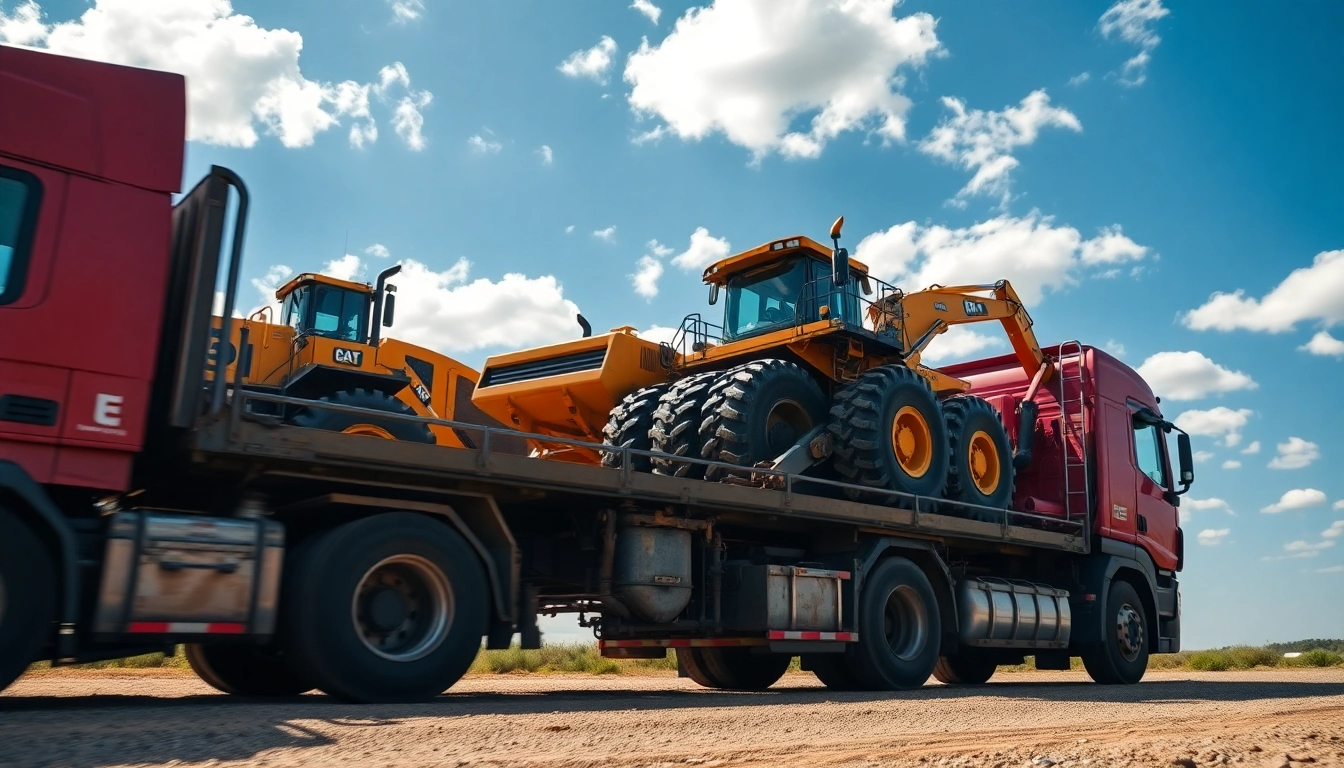
Understanding Equipment Transportation
What is Equipment Transportation?
Equipment transportation refers to the logistical process of moving large machinery, vehicles, and specialized equipment from one location to another. This may encompass a variety of tasks including loading, hauling, and unloading equipment. It is an essential service in industries such as construction, agriculture, mining, and manufacturing due to the size and weight of the machinery involved. Effective equipment transportation requires careful planning, expert personnel, and appropriate vehicles to ensure that the equipment arrives safely and on schedule.
Types of Equipment Transportation Services
There are several types of equipment transportation services tailored to meet the diverse needs of different industries:
- Heavy Hauling: This service is specifically designed for transporting oversized and overweight loads that cannot be accommodated by standard vehicles. Heavy haul companies utilize specialized trailers and vehicles to handle such loads safely.
- Flatbed Transport: Flatbed trucks are ideal for transporting construction equipment, such as bulldozers and excavators. They allow for easy loading and unloading and can accommodate various sizes of equipment.
- Enclosed Transport: For high-value or sensitive equipment, enclosed transport utilizes trailers with sides and roofs to protect the cargo from environmental factors.
- Lowboy Trailers: These are specialized trailers that provide a lower deck height to accommodate tall loads, making them popular in the transport of equipment that exceeds standard height limits.
- Self-Driving Transport: Some modern solutions include self-driving transport systems that autonomously move equipment between locations. This innovative approach increases efficiency and reduces labor costs.
Importance of Efficient Logistics
Efficient logistics in equipment transportation can have significant implications for a business's overall performance. This process involves careful coordination of transport routes, scheduling, and resource allocation, ensuring that equipment is delivered on time and within budget. By implementing optimized logistics practices, companies can reduce downtime, boost productivity, and enhance customer satisfaction. Additionally, well-planned logistics reduce risks associated with accidents during transportation, ultimately saving costs related to damages and delays.
Planning Your Equipment Transportation
Factors to Consider Before Transportation
Effective planning for equipment transportation begins long before the actual transport takes place. Key factors to consider include:
- Type of Equipment: The size, weight, and specifications of the equipment dictate the kind of transport needed. For instance, heavy machinery may require special lowboy trailers.
- Distance and Destination: The distance of transportation affects logistics planning. Longer distances may introduce additional variables like road conditions, legal permits, and fuel efficiency.
- Local Regulations: Different states and countries have varying regulations on transporting equipment, particularly heavy or oversized loads. Familiarity with these laws is essential.
- Loading and Unloading Conditions: The ease of loading and unloading at both the origin and destination should be assessed to avoid complications.
How to Choose the Right Transport Method
Selecting the best method for transporting equipment involves evaluating the specific needs of the shipment. Consider factors such as:
- Cost Efficiency: Analyze the cost of different transport options, including any potential hidden fees or delays.
- Transport Speed: Assess how quickly you need the equipment delivered. Some methods may be faster than others, depending on distance and conditions.
- Safety: Choose a transport method that ensures the safety of the equipment and reduces the risk of damage during transport.
Creating a Detailed Transportation Plan
A detailed transportation plan serves as a roadmap for the entirety of the equipment transportation process. Such a plan should include:
- Timeline: Establish a timeline that outlines each phase of the transport process, including any contingency plans.
- Resource Allocation: Identify the vehicles, personnel, and equipment required, ensuring all resources are readily available.
- Communication Strategy: Develop a communication plan to keep all stakeholders informed throughout the transportation process.
Safe Loading and Unloading Practices
Best Practices for Loading Equipment
Loading equipment safely is crucial to prevent accidents and damage. Key practices include:
- Use Appropriate Equipment: Utilize cranes, forklifts, or other machinery designed specifically for loading heavy equipment.
- Follow Load Limits: Ensure that the vehicle or trailer can support the weight of the equipment to avoid accidents during transport.
- Stabilize Equipment: Properly balance and secure the equipment on the transport vehicle to prevent shifting during transit.
Techniques for Safe Unloading
Just as loading is critical, so is the unloading phase. Consider these techniques:
- Assess the Unloading Area: Ensure the unloading area is clear of obstacles and suitable for receiving heavy equipment.
- Coordinate Efforts: Have a team in place to guide the unloading process, ensuring clear communication at all times.
- Use Correct Equipment: Always use the proper tools and equipment for unloading to minimize the risk of accidents.
Importance of Proper Securing Methods
Properly securing equipment during transport is vital. Ineffective securing can lead to damage or accidents. Considerations for securing equipment include:
- Use Adequate Tie-Downs: Employ high-quality restraints suited for the weight and size of the equipment.
- Follow Manufacturer Guidelines: Adhere to any specific securing guidelines provided by the equipment manufacturer to guarantee safe transport.
- Perform Regular Inspections: Check the tightness of straps and the position of equipment periodically during longer trips.
Cost Factors in Equipment Transportation
Understanding Pricing Structures
Grasping the pricing structure for equipment transportation can be complex but is essential for budget planning. The costs may fluctuate based on:
- Distance: Longer transport distances invariably lead to higher costs.
- Type of Equipment: Heavier and oversized loads typically incur additional charges.
- Transport Method: The choice between open or enclosed transport can impact pricing significantly.
- Insurance: Depending on the value of the equipment, insurance can add to transportation costs.
Common Hidden Costs During Transportation
While budgeting for equipment transportation, it’s crucial to account for potential hidden costs. These may include:
- Permit Fees: Oversized or heavy loads often require special permits that come with associated costs.
- Fuel Surcharges: Fluctuations in fuel prices can lead to unexpected transportation costs.
- Loading and Unloading Fees: Some companies may charge additional fees for loading and unloading services outside the quoted price.
How to Prepare a Transportation Budget
To create an effective transportation budget, include the following steps:
- Estimate All Costs: Factor in all anticipated expenses, including any hidden costs.
- Build a Contingency Fund: Set aside a percentage of your total budget to cover unexpected developments or costs.
- Review Regularly: Continuously review and adjust your budget to reflect any changes in regulations, fuel prices, or transport needs.
Measuring Success in Equipment Transportation
Key Performance Indicators to Monitor
To measure success in equipment transportation, consider tracking these key performance indicators (KPIs):
- On-Time Delivery Rate: Evaluate the percentage of equipment deliveries made on or before the scheduled date.
- Damage Rate: Monitor the incidence of damage sustained during transport to gauge the effectiveness of securing methods.
- Cost Variance: Compare initial cost estimates with final costs to identify areas for improvement in budgeting.
Evaluating Service Quality
Assessing the quality of equipment transportation services involves considering factors such as:
- Customer Feedback: Gather reviews and testimonials from clients to understand their satisfaction levels.
- Responsive Communication: Determine how effectively the transportation provider communicates during planning and execution.
- Equipment Condition Post-Transport: Ensure the state of equipment upon arrival meets pre-transport conditions.
Continuous Improvement Strategies
To foster continuous improvement in equipment transportation, companies should:
- Regularly Review Processes: Conduct periodic evaluations of existing transportation processes to identify improvement areas.
- Training Programs: Invest in ongoing training for employees to keep them updated on best practices and regulations.
- Adopt Technological Advancements: Implement new technologies for scheduling, tracking, and securing equipment to improve overall efficiency.
Frequently Asked Questions
What is the typical cost of equipment transportation?
The cost varies based on factors like distance, equipment size, and type of transport method. Average costs generally range from $2-$4 per mile for heavy loads.
How can I ensure my equipment is safe during transport?
Use high-quality tie-downs, ensure proper loading techniques, and conduct regular inspections throughout the journey to maintain safety.
What factors impact the choice of transport method?
Factors include the type of equipment, distance to transport, required delivery speed, and regulations concerning oversized or heavy loads.
Are permits required for transporting heavy equipment?
Yes, permits are often required for oversized or overweight loads. Check local regulations in advance to avoid fines or delays.
How can I track the progress of my equipment transport?
Many transport companies offer tracking systems that provide real-time updates on the location and status of your equipment during transport.
Contact Information
Call Us: 4062607988Address: 3906 MT-40, Columbia Falls, MT 59912