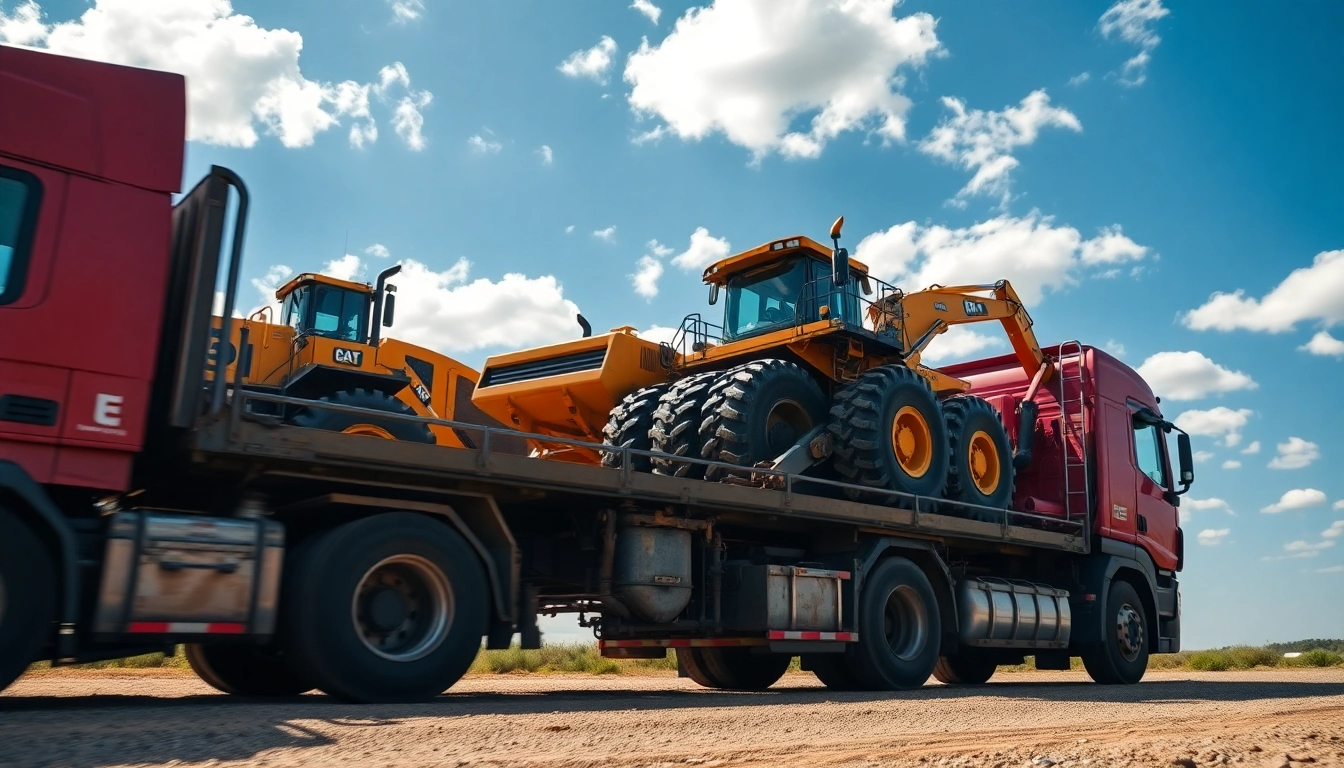
Understanding Work Zone Safety in Colorado
Work zone safety is a critical concern for contractors across Colorado, where construction projects often intersect with busy roadways and urban environments. Given the potential hazards present in these work areas, both for workers and the general public, implementing robust safety protocols is essential. Outlined in this article are various aspects of work zone safety that contractors need to consider, including regulations, common hazards, and best practices to ensure a safe working environment. The focus keyword throughout this guide is work zone safety colorado contractors.
The Importance of Safety Protocols
Safety protocols in work zones are designed to minimize accidents and injuries. These protocols are not just regulatory requirements; they form the foundation of a culture of safety. Establishing effective protocols can help facilitate efficient work practices while protecting workers and the public. The importance of safety protocols is amplified in Colorado, where fluctuating weather conditions and unique terrain can present additional challenges to construction safety. Proactive measures reduce the risk of accidents, save costs, and enhance overall project outcomes.
Key Regulations Affecting Contractors
Colorado contractors must adhere to state and federal safety regulations, such as those outlined by the Occupational Safety and Health Administration (OSHA) and the Colorado Department of Transportation (CDOT). These regulations dictate the necessary training requirements, equipment standards, and procedures for safe operation within work zones. Key aspects include the proper setup of traffic control devices, signage, and worker safety measures. Understanding and implementing these regulations is crucial to maintaining compliance and ensuring the safety of all personnel involved.
Common Hazards in Work Zones
Work zones present various hazards that can lead to accidents and injuries. Some of the most common hazards include:
- Traffic-related incidents: Vehicles may inadvertently enter work zones, posing a risk to workers.
- Equipment operation: Working with heavy machinery requires rigorous safety measures to avoid injuries.
- Environmental factors: Weather variations can change work conditions quickly, leading to slips, falls, or heat-related illnesses.
- Material hazards: Contractors must be aware of the risks associated with the materials used on site, including toxic substances.
Best Practices for Work Zone Safety
Effective Traffic Control Measures
Implementing effective traffic control measures is critical to ensuring the safety of both workers and drivers. This includes proper signage to alert motorists about upcoming work zones, directing traffic safely around the site. Use of cones, barrels, and barriers can help delineate work areas and guide traffic. Additionally, utilizing flaggers trained in traffic management can enhance safety by facilitating smoother vehicle flow while keeping workers safe.
Required Safety Gear for Contractors
Personal Protective Equipment (PPE) is crucial for contractors operating in work zones. Required safety gear typically includes:
- Hard hats: Protect against head injuries from falling objects.
- Reflective vests: Ensure workers are visible to drivers and others on-site.
- Safety goggles: Protect eyes from debris during construction activities.
- Steel-toed boots: Provide foot protection in heavy machinery operating areas.
Ensuring all workers wear the necessary gear at all times can significantly reduce injury risks in the work zone.
Training and Certification Essentials
Regular training and certification for all workers are essential components of a successful safety program. Training should cover the identification of work zone hazards, the use of safety gear, proper operation of equipment, and emergency response procedures. By fostering a well-trained workforce, contractors can ensure that all personnel understand the importance of safety protocols and are equipped to respond to potential hazards competently.
Implementing Safety Programs
Creating a Safety Plan
A comprehensive safety plan is the cornerstone of any successful work zone safety program. This plan should outline specific safety goals, identify potential hazards, and establish protocols for mitigating risks. Involving workers in the development process can lead to greater ownership of safety practices. The plan should also include emergency response strategies and regular reviews to adapt to changing conditions or regulations on the ground.
Engaging Workers in Safety Culture
Creating a culture of safety involves engaging workers at all levels of the organization. Regular safety meetings, open lines of communication, and encouraging employees to report hazards without fear of reprisal can foster an environment of accountability. Incentivizing safe practices, such as recognizing workers for adhering to safety protocols, can motivate employees to prioritize safety in their daily operations.
Conducting Regular Safety Audits
Regular safety audits are essential for identifying areas of improvement within work zone operations. These audits should assess both compliance with established safety protocols and the overall safety culture of the work environment. Utilizing checklists, safety observation reports, and employee feedback can provide critical insights into potential hazards and necessary corrective actions.
Technology and Tools to Enhance Safety
Innovative Safety Equipment
Technological advances in safety equipment can significantly enhance worker protection in construction zones. Innovations like smart helmets equipped with augmented reality can provide real-time information and alerts to workers about potential hazards. Moreover, wearable technology, such as vests that monitor vital signs and environmental conditions, can help detect unsafe situations before they escalate.
Using Apps for Real-Time Safety Updates
With the proliferation of smartphones, safety apps have emerged as valuable tools for enhancing communication and safety awareness in work zones. These apps can provide real-time updates on weather conditions, safety protocols, and changes in work schedules. They allow for immediate reporting of unsafe conditions, facilitating quick responses to issues as they arise.
Monitoring and Reporting Tools
Implementing monitoring and reporting tools can streamline safety management processes. Techniques such as GPS tracking for equipment and personnel can help ensure compliance with safety protocols. Similarly, digital incident reporting platforms facilitate prompt documentation and analysis of any accidents, enabling organizations to learn from past incidents and continuously improve safety measures.
Measuring the Effectiveness of Safety Strategies
Key Performance Indicators for Safety
To measure the effectiveness of safety strategies, contractors should establish Key Performance Indicators (KPIs). Common KPIs include the number of reported near misses, injury rates, and compliance with training requirements. Monitoring these metrics allows contractors to evaluate the success of their safety programs and pinpoint areas needing improvement.
Feedback Mechanisms from Workers
Integrating feedback mechanisms from workers can provide valuable insights into the effectiveness of safety strategies. Surveys, suggestion boxes, and regular safety meetings can encourage employees to voice their opinions on safety practices. Utilizing this feedback not only fosters greater employee engagement but also equips management with actionable data to enhance safety measures.
Continuous Improvement in Safety Practices
Safety is not a one-time implementation but a continuous process that requires ongoing evaluation and enhancement. Contractors should prioritize continuous improvement by regularly updating safety protocols based on audit findings, worker feedback, and incidents within the industry. Staying abreast of new safety technologies and regulatory changes is crucial for ensuring the ongoing effectiveness of safety strategies.
Frequently Asked Questions
What is work zone safety?
Work zone safety refers to the practices and protocols implemented to protect workers and the public in active construction zones. It includes traffic control measures, worker training, and the use of personal protective equipment.
Why are safety trainings mandatory for contractors?
Safety trainings are mandatory to ensure that contractors and workers are aware of potential hazards and know how to manage risks effectively. This training helps reduce accidents and maintain compliance with regulations.
What equipment is essential for work zone safety?
Essential equipment includes hard hats, reflective vests, safety goggles, steel-toed boots, and properly maintained machinery. These items help protect workers from common hazards.
How can technology improve work zone safety?
Technology can improve work zone safety through smart equipment, safety apps for real-time updates, and monitoring tools that ensure compliance and enhance communication among workers and management.
What should be included in a safety plan?
A safety plan should outline safety goals, identify potential hazards, define roles and responsibilities, implement emergency response strategies, and include regular reviews to adapt to changing conditions.