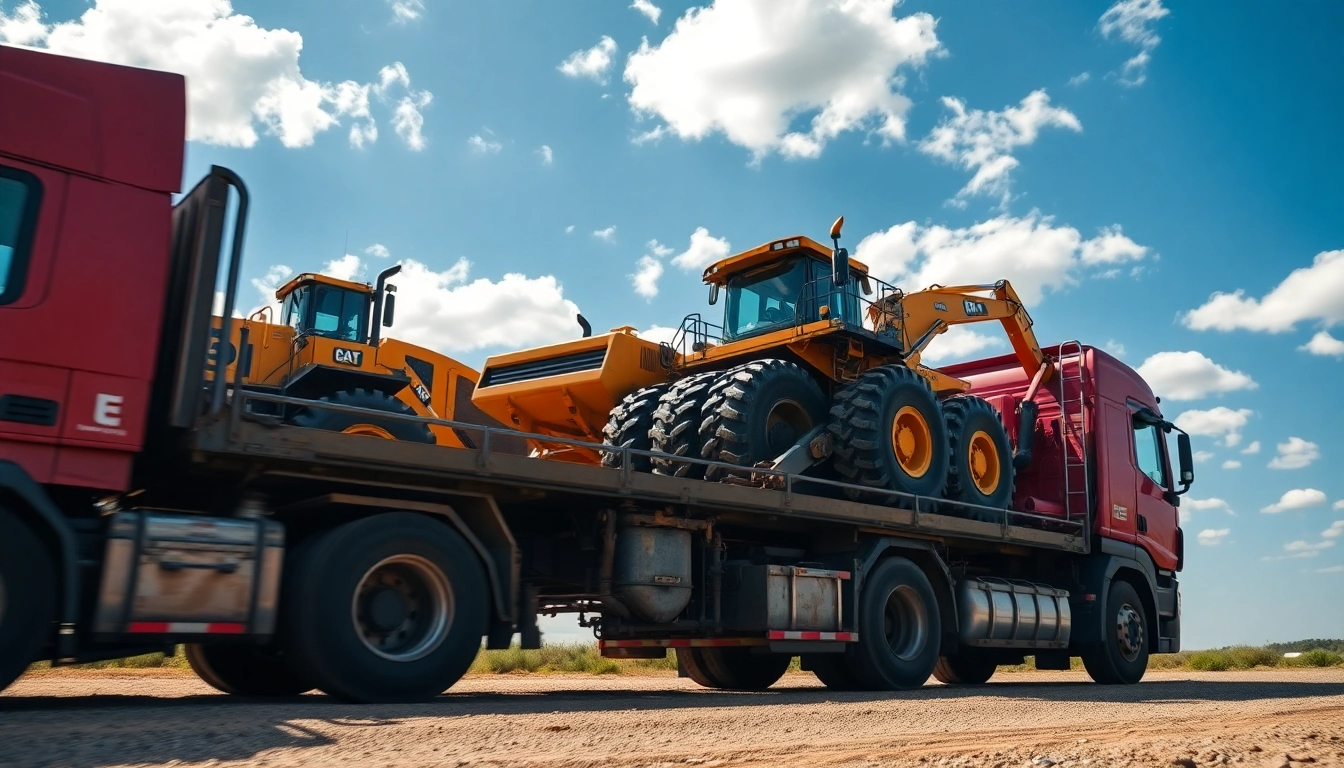
Understanding Flathead Equipment Rental
When looking for solutions to meet your project needs, it’s essential to understand the advantages of flathead equipment rental. This method provides flexibility, cost-effectiveness, and access to top-tier machinery suited for various tasks. Whether it’s construction, landscaping, or home improvement projects, understanding flathead equipment is key to making informed decisions.
What is Flathead Equipment?
Flathead equipment refers to a range of machinery and tools designed for specific construction, excavation, and landscaping tasks. This includes items like backhoes, excavators, loaders, and compactors. The name "flathead" often underscores the geographic area, which might emphasize local businesses that cater to specific industries in primarily rural or developing regions. Renters can access both small and large-scale equipment suited to their project demands.
Benefits of Renting Equipment
Renting equipment comes with several benefits:
- Cost Savings: Renting often costs significantly less than purchasing. This avoids hefty upfront costs and maintenance expenses.
- Variety: Access to an extensive range of equipment that can be tailored to project requirements without long-term commitments.
- Maintenance-Free: Rental companies handle upkeep, repairs, and servicing, easing operational burdens.
- Immediate Availability: Quick access to equipment without the need for storage or ownership issues.
- Up-to-Date Technology: Equipment rental services regularly update their inventory, allowing access to the latest technology.
When to Choose Rental Over Purchase
Determining whether to rent or buy may depend on project length, frequency, and funding. Here are scenarios favoring rental:
- Short-term projects that require equipment for a limited time.
- New ventures where the need for machinery is uncertain.
- Specific projects that necessitate specialized tools not used regularly.
- Budget constraints preventing outright purchases.
Factors to Consider in Flathead Equipment Rental
Assessing Project Requirements
Before renting, carefully assess your project requirements, including:
- Scope of the work to determine necessary machinery.
- Duration of the project to establish rental timelines.
- Site conditions (e.g., terrain, accessibility) influencing equipment choice.
- Skill level of operators and alignment with equipment complexity.
Evaluating Equipment Quality
Quality is paramount in equipment rental. Inspect the machinery before rent to check for:
- Wear and tear, ensuring functional reliability.
- Maintenance history to assess performance and safety.
- Manufacturer certifications to verify industry standards.
Understanding Rental Terms and Conditions
Familiarize yourself with rental agreements. Key aspects to look into include:
- Rental duration and penalties for delays.
- Insurance requirements and liability coverage.
- Delivery and pick-up terms including associated costs.
- Deposits and payment structures.
Where to Find Flathead Equipment Rental Services
Local vs. Online Rental Options
The choice between local businesses and online platforms for renting equipment should consider factors such as pricing, availability, and convenience. Local rental businesses can offer personalized service and immediate access, while online companies may provide more extensive options and competitive pricing.
How to Compare Rental Providers
When comparing rental providers, consider the following:
- Reputation and experience in the industry.
- Price comparisons for similar equipment types.
- Customer support and responsiveness.
- Location and logistics concerning delivery.
Reviews and Recommendations
Reviews from previous customers play a critical role in choosing a rental provider. Seek recommendations from peers in your industry or consult online platforms for trustworthy feedback regarding experiences and service quality.
Operational Tips for Using Rental Equipment
Safety Precautions When Using Equipment
Safety should always be the top priority when operating rental equipment. Follow essential guidelines such as:
- Ensure proper training for all operators.
- Wear appropriate safety gear.
- Conduct pre-operation checks to ensure machinery is functional.
Best Practices for Maintenance
Even for rental equipment, proper maintenance practices can prevent accidents and enhance performance:
- Adhere to recommended maintenance schedules.
- Report any issues to the rental provider promptly.
- Keep the equipment clean to avoid wear and maintain efficiency.
Returning Equipment: What to Know
Upon completing your project, returning rental equipment involves important considerations:
- Inspect the equipment for damage before returning.
- Follow the stipulated return procedures to avoid fees.
- Document the equipment’s condition with photographs or notes.
Cost Management in Flathead Equipment Rental
Budgeting for Equipment Rental
Establishing a clear budget for equipment rental is vital. Include all potential costs, such as rentals, insurance, fuel, and transport. Be realistic about your needs and resources before committing.
Hidden Costs to Watch Out For
Understanding hidden costs can be crucial for budget compliance. Be aware of:
- Late return fees that can accumulate quickly.
- Insurance costs that may not be included in the base rental price.
- Fuel charges or maintenance fees related to the equipment use.
Maximizing Value from Your Investment
To ensure maximum value from your flathead equipment rental, consider these strategies:
- Choose the right equipment for your specific project scope.
- Utilize the equipment efficiently and safely to avoid costs.
- Keep communication open with the rental provider for potential discounts for prolonged rentals.
Frequently Asked Questions (FAQs)
What types of equipment can I rent in Flathead?
You can typically rent backhoes, excavators, compactors, and various tools suited for construction and landscaping projects.
How do I ensure the equipment is safe to use?
Conduct pre-use inspections, verify operator training, and ensure proper maintenance has been performed on the equipment.
Can I rent equipment for short-term projects?
Yes, rental agreements cater to short-term needs, allowing flexibility based on your project duration.
What should I do if I encounter issues with the rented equipment?
Report any problems immediately to the rental provider to access assistance and ensure safety during operations.
Is insurance required for rented equipment?
Most rental companies require insurance to cover potential damages or injuries, so it’s essential to confirm requirements upfront.