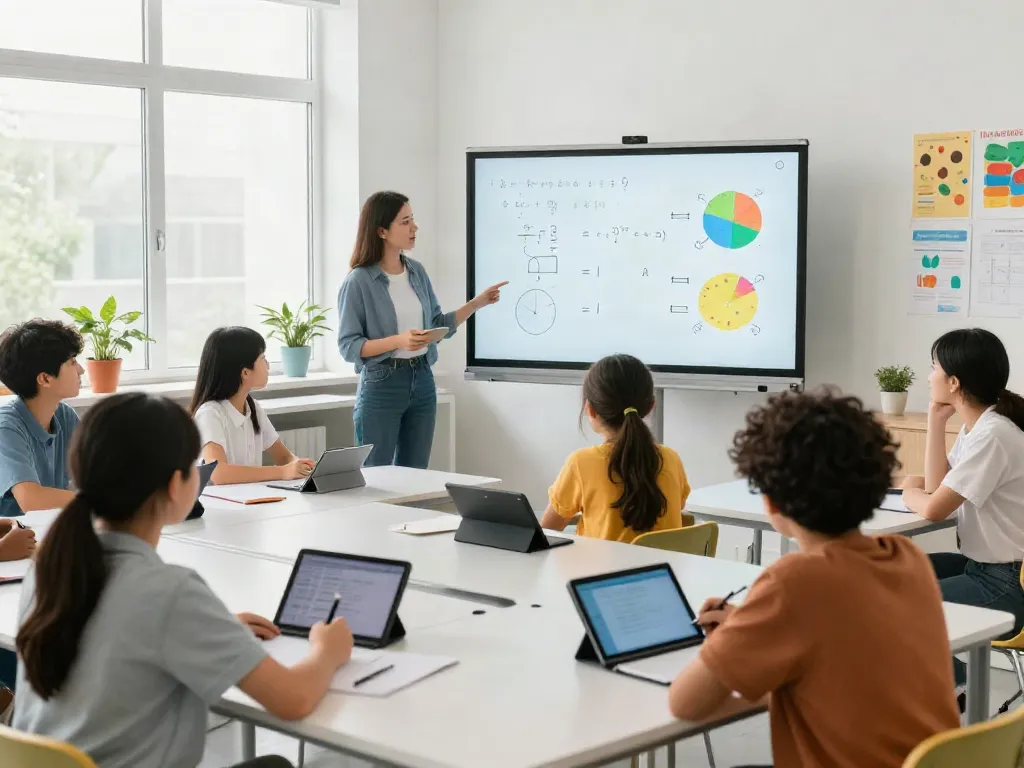
Understanding Collaborative Learning
In the evolving landscape of education, the concept of collaborative learning is gaining increasing prominence. This approach emphasizes the importance of students working together to achieve shared learning goals, enhancing not only their intellectual capabilities but also their social and emotional skills. Collaborative learning engages students in interactive processes that foster critical thinking, innovation, and effective communication. As educational institutions recognize the significant benefits of this method, it becomes essential to explore how they can get more from collaborative strategies and transform the classroom experience.
What is Collaborative Learning?
Collaborative learning refers to an educational approach wherein individuals work together in groups to accomplish a shared goal. This process can manifest in various formats, such as group projects, discussions, or peer teaching. At its core, collaborative learning is designed to promote deeper understanding and retention by allowing students to learn from one another, diversify their thought processes, and enhance their problem-solving abilities.
Benefits of Collaborative Learning for Students
- Enhanced Critical Thinking: Engaging in discussions and group activities encourages students to think critically, assess different viewpoints, and develop well-rounded arguments.
- Improved Communication Skills: Working in groups necessitates effective communication, which prepares students for future collaborative endeavors in both their personal and professional lives.
- Boosted Engagement and Motivation: Collaborative learning often leads to increased student engagement, as working together can make learning more enjoyable and relevant.
- Development of Social Skills: Students learn essential social skills such as empathy, patience, and negotiation, which are vital for their overall development.
How Collaborative Learning Differs from Traditional Methods
Traditional teaching methods often focus on individual learning, where teachers convey information directly to students who passively absorb it. In contrast, collaborative learning emphasizes active participation from all students, fostering an environment where knowledge is co-constructed. Traditional methods may result in rote memorization, while collaborative approaches facilitate deeper understanding as students engage with the material collectively.
Pros of Collaborative Learning
Enhances Critical Thinking Skills
When students are tasked with solving problems together, they must critically analyze information, justify their reasoning, and consider alternative perspectives. This process inherently sharpens their analytical skills and promotes an environment where questioning is encouraged, leading to deeper intellectual engagement.
Fosters Communication and Teamwork
Successful collaborative learning experiences require effective communication and teamwork. As students navigate group dynamics, they practice articulating their thoughts clearly, listening actively to others, and reaching consensus, all of which are invaluable skills in today's interconnected world.
Improves Academic Performance and Engagement
Research has shown that students who engage in collaborative learning often outperform their peers in traditional settings. The interactive nature of group work not only enhances understanding but also increases motivation, resulting in improved academic results. Additionally, students who feel connected to their peers are more likely to participate actively and take ownership of their learning.
Cons of Collaborative Learning
Potential for Unequal Participation
One of the significant challenges of collaborative learning is the possibility that some students may dominate group discussions while others remain passive. This unequal participation can lead to frustration and disengagement among less vocal members, undermining the advantages of the collaborative approach.
Challenges in Group Dynamics
Group dynamics can be complex, and interpersonal conflicts may arise. Differing personalities, work ethics, and levels of commitment can impact group performance and make it difficult to achieve collective goals. Educators must be vigilant in addressing these dynamics to foster a collaborative spirit.
Time Management Issues in Collaborative Settings
Collaborative activities can become time-consuming, particularly when groups struggle to stay focused or organized. Teachers must balance the benefits of collaborative work with the necessity of covering their curriculum within a set timeframe, requiring strategic planning and clear expectations.
Best Practices for Implementing Collaborative Learning
Strategies to Promote Equal Participation
To ensure that every student contributes to the group effort, educators can implement structured roles within groups. Assigning specific tasks—such as note-taker, presenter, or researcher—helps to distribute responsibilities evenly and encourages all students to engage actively in the learning process.
Tools and Technologies to Enhance Collaboration
Utilizing technology can significantly enhance collaborative learning. Platforms such as Google Workspace, Microsoft Teams, and various educational apps allow for real-time collaboration, enabling students to work together regardless of their physical location. These tools also provide opportunities for feedback and revisions, which are crucial for effective learning.
Measuring Success in Collaborative Learning Environments
To gauge the effectiveness of collaborative learning initiatives, teachers should incorporate both qualitative and quantitative assessment methods. Surveys, reflective journals, and peer evaluations can provide insight into student experiences and outcomes. Additionally, tracking group performance on shared tasks can help educators identify areas for improvement.
Future Trends in Education: What to Expect by 2026
Emerging Technologies to Support Collaborative Learning
As we approach 2026, the integration of artificial intelligence and machine learning in education is expected to transform collaborative learning experiences. These technologies can provide personalized learning pathways, enhance feedback mechanisms, and facilitate better group management, making collaborative learning more efficient and impactful.
Changing Roles of Teachers in Collaborative Settings
In collaborative learning environments, teachers are transitioning from traditional lecturers to facilitators of learning. This change requires educators to adopt new strategies to guide students through collaborative activities effectively, ensuring they are both engaged and accountable for their learning outcomes.
Predictions for Educational Outcomes with Collaborative Methods
As educational institutions continue to embrace collaborative learning, we can anticipate improved critical thinking skills, higher levels of student engagement, and enhanced social skills among students. The focus on collaborative methods is likely to yield a generation of learners who are better equipped for the challenges of the modern workforce.
What are the advantages of collaborative learning?
Collaborative learning fosters critical thinking, enhances communication skills, improves academic performance, and promotes social interaction among students, preparing them for collaborative environments in the workplace.
How can I ensure all students participate equally?
Implementing structured roles and providing clear expectations can help ensure that all students are actively involved in collaborative learning activities.
What tools can enhance collaborative learning?
Technology tools such as Google Workspace, educational apps, and project management software can facilitate effective collaboration and enhance student engagement in group activities.
What challenges can arise in group work?
Challenges such as unequal participation, group dynamics, and time management issues can hinder the effectiveness of collaborative learning. Strategies must be in place to address these concerns.
How does collaborative learning impact overall educational outcomes?
Collaborative learning has been shown to lead to improved academic performance, increased motivation, and the development of essential social skills, all of which contribute positively to educational outcomes.