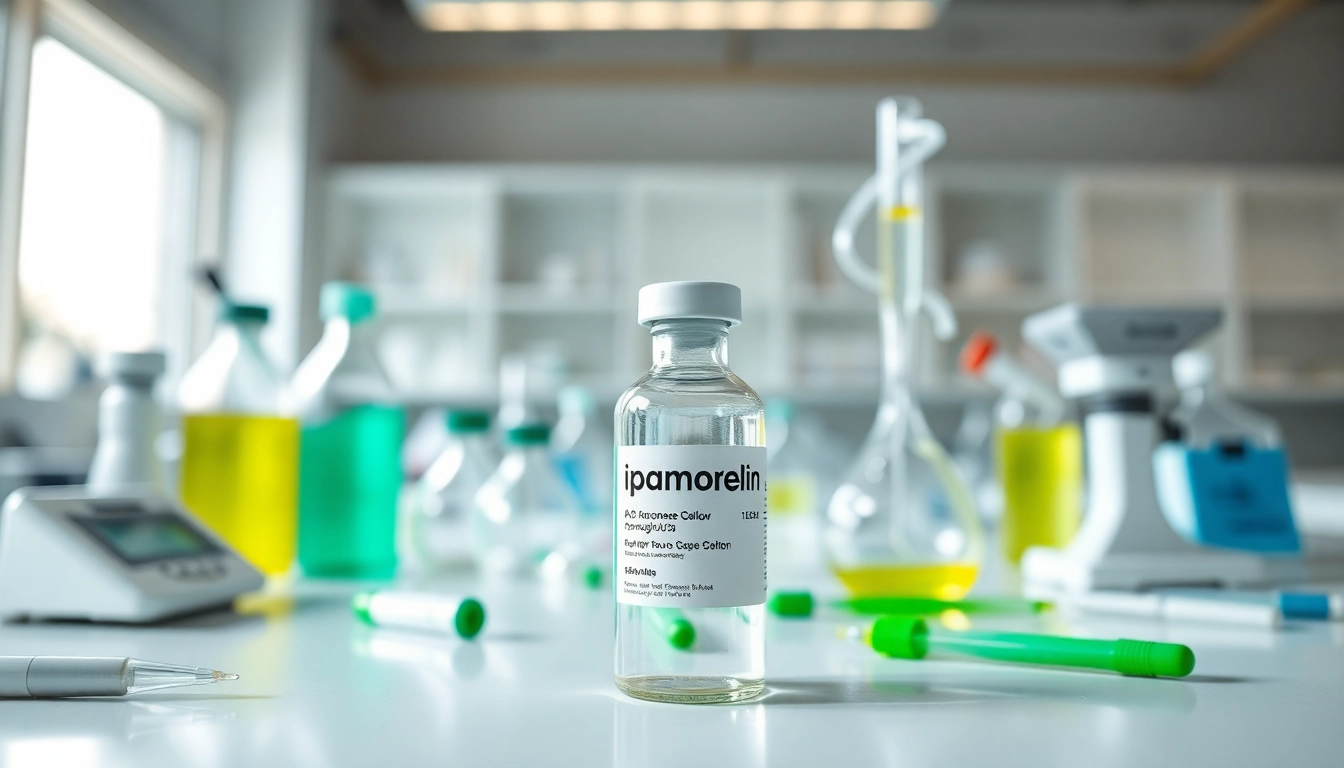
Introduction to Research Peptides
Peptides have emerged as pivotal elements in scientific research, bridging the gap between biology and therapeutic applications. As short chains of amino acids, they play diverse roles, particularly in drug discovery, regenerative medicine, and disease research. With the increasing demand for peptides sale, understanding these compounds' nature and significance becomes essential for researchers and healthcare professionals alike.
What are Peptides?
Peptides are biological molecules comprised of amino acids linked together by peptide bonds. They vary in length, typically ranging from two to fifty amino acids, making them shorter than proteins. Each peptide has a distinct sequence of amino acids that determines its function and activity within a biological system. These sequences can significantly influence biochemical pathways, cellular processes, and overall physiological functions.
Types of Research Peptides
Research peptides can be classified into several categories based on their application and properties:
- Hormonal Peptides: These peptides mimic natural hormones and play roles in various physiological responses.
- Neuropeptides: Involved in neuronal communication, these peptides impact mood, pain perception, and endocrine regulation.
- Antimicrobial Peptides: Key to innate immunity, these peptides combat microbial infections and are of interest for developing new antibiotics.
- Peptide Vaccines: Designed to stimulate the immune response, these vaccines utilize specific peptide sequences from pathogens.
Common Applications
The applications of research peptides span various fields:
- Drug Development: Peptides can serve as the basis for novel drug discovery efforts due to their specificity and potency.
- Diagnostics: They are employed in creating diagnostic tools for detecting diseases based on specific biomarkers.
- Therapeutic Treatments: Peptides are utilized in treating conditions like cancer, diabetes, and infections, offering targeted therapies.
- Research on Biological Mechanisms: Researchers use peptides to study cellular functions, signaling pathways, and physiological processes.
The Science Behind Peptide Synthesis
Understanding how peptides are synthesized is fundamental to advancing research and therapeutics. The synthesis process directly impacts the peptide's purity, efficacy, and application potential.
Methods of Peptide Synthesis
The synthesis of peptides predominantly utilizes two primary techniques:
- Solid-Phase Peptide Synthesis (SPPS): A widely adopted method where the peptide chain is built on a solid substrate, allowing for easy purification at each step.
- Liquid-Phase Peptide Synthesis: This technique involves synthesizing peptides in a solution, providing flexibility for larger peptides but with potential challenges in purification.
Factors Affecting Peptide Quality
Several factors influence the quality of synthesized peptides:
- Amino Acid Purity: High-purity amino acids are critical for preventing impurities in the final product.
- Synthesis Conditions: Temperature, pH, and solvent choice can significantly affect the reaction efficiency and final quality.
- Purification Processes: Techniques like HPLC must be employed effectively to remove undesired byproducts and ensure peptide integrity.
Innovations in Synthesis Techniques
Recent advancements have introduced novel techniques that enhance peptide synthesis:
- Automated Synthesizers: Automating synthesis increases reproducibility and efficiency.
- Click Chemistry: This approach enables rapid and straightforward coupling reactions, expanding peptide libraries and modifications.
- Microfluidic Devices: Allowing for precise control over conditions, these devices support the synthesis of complex peptide structures.
Benefits of Using Research Peptides
Research peptides offer numerous benefits that facilitate advancements in science and medicine.
Enhancing Drug Discovery
Peptides are increasingly recognized as valuable compounds in drug discovery due to their ability to target specific biological pathways and receptors. Their small size and high specificity can have fewer side effects than traditional small-molecule drugs, allowing for more innovative therapeutic approaches.
Role in Disease Research
Peptides serve as indispensable tools in understanding diseases. Researchers utilize them to explore mechanisms underlying various conditions, which can aid in developing more effective treatments and preventive measures. For instance, understanding peptide interactions in oncology has led to breakthroughs in targeted cancer therapies.
Potential in Regenerative Medicine
Regenerative medicine is a promising field where peptides play a critical role, particularly in tissue repair and regeneration. Peptides can stimulate stem cell differentiation and promote wound healing, offering exciting treatment prospects for conditions such as heart disease and orthopedic injuries.
Challenges in Peptide Research
Despite their potential, research peptides face several challenges that can hinder their application and development in science and medicine.
Stability and Storage Issues
Peptides can often be unstable, degrading quickly under certain conditions. Proper storage, usually at colder temperatures, and using stabilizing agents during synthesis can mitigate these issues, essential for ensuring the validity of research results.
Regulatory Considerations
The regulatory landscape for peptides can be complex, especially in pharmaceuticals. Navigating these regulations requires a comprehensive understanding of the approval process and adherence to guidelines set forth by governing bodies, which can often be a time-consuming endeavor.
Cost Implications
Producing high-quality peptides can be costly due to the need for advanced equipment, high-grade materials, and complex synthesis processes. Balancing these costs while maintaining research integrity is necessary and can be challenging for many organizations.
Future Trends in Peptide Research
The future of peptide research is bright, with numerous trends emerging that promise to enhance their applications and therapeutic potential.
Emerging Applications
Innovative uses for peptides are constantly being explored. For example, personalized vaccines that utilize specific peptide sequences to tailor immune responses are gaining attention and may revolutionize preventative healthcare.
Integration with Biotechnology
Biotechnology is increasingly merging with peptide research, leading to the development of novel peptide-based therapeutics. This field holds significant potential for creating complex biomolecules that function as drugs, diagnostics, and more, thereby promoting the evolution of medicine.
Personalized Medicine Approaches
As the healthcare industry moves toward personalized medicine, peptides will likely play a pivotal role due to their adaptability and specificity. Tailoring therapies to individual patient needs using peptides can enhance treatment efficacy while minimizing adverse effects.
Frequently Asked Questions
What are research peptides used for?
Research peptides are utilized for drug discovery, therapeutic studies, and enhancing scientific understanding of biological processes.
How are peptides created?
Peptides are synthesized using techniques such as solid-phase synthesis, which builds them from amino acids in a stepwise manner.
What challenges do researchers face with peptides?
Challenges include stability, regulatory hurdles, and high production costs, which can hinder research progress.
Can peptides be used in personalized medicine?
Yes, peptides can tailor treatments to individual patients, enhancing the effectiveness of therapies in personalized medicine.
What is the future of peptide research?
The future includes advancements in biotechnology, new therapeutic applications, and trends in targeted treatments.