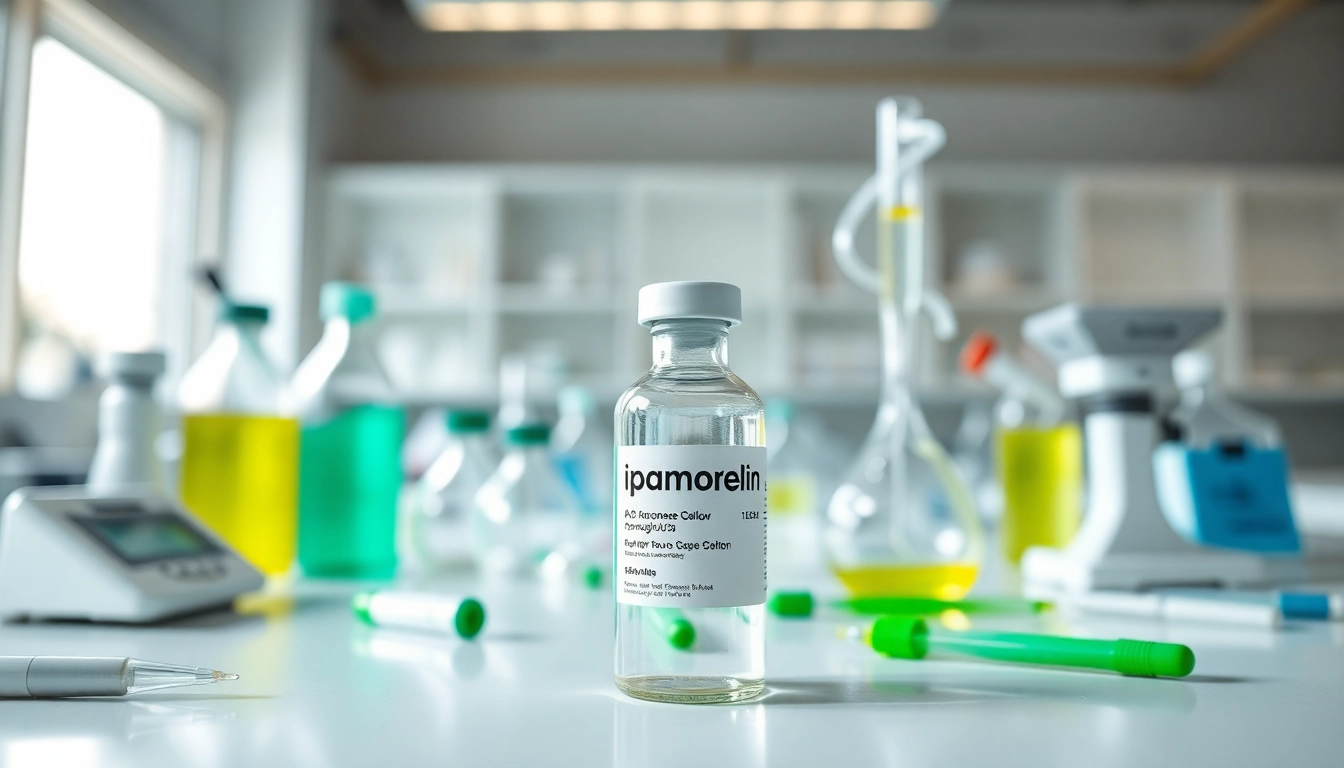
What Are Research Peptides?
Definition and Structure
Research peptides are short chains of amino acids linked by peptide bonds, which play a crucial role in various biological processes. Structurally, they can be considered as smaller versions of proteins, typically containing anywhere from 2 to 50 amino acids. Their unique configurations enable them to engage in specific interactions within the human body, influencing numerous physiological functions. Beyond their individual amino acid sequences, the spatial arrangement and modifications of these peptides can significantly affect their biological activity and effectiveness in research applications.
Types of Research Peptides
Research peptides can be classified into several distinct categories based on their origin and functionality. Some prevalent types include:
- Hormonal Peptides: These peptides mimic or influence hormone activity, such as growth hormone-releasing peptides.
- Signal Peptides: They facilitate cellular communication and signal transduction, which is vital for cellular activities.
- Antimicrobial Peptides: Naturally occurring peptides that defend against pathogens and are gaining attention for therapeutic potential.
- Transport Peptides: Peptides designed for specific transport and delivery of molecules across cell membranes.
Applications in Scientific Studies
Research peptides have become pivotal in various scientific studies, ranging from molecular biology to pharmaceuticals. Their applications include cellular signaling studies, drug discovery, and therapeutics. By facilitating research into complex biological systems, these peptides allow for advanced investigations into diseases, essential cellular mechanisms, and potential treatment strategies. Specifically, they are often utilized in oncology, endocrinology, and immunology to better understand functional pathways and disease mechanisms.
The Science Behind Peptides
How Peptides Function in Biological Systems
Peptides function by binding to specific receptors on cellular surfaces, triggering responses that regulate vital biological processes. They can alter gene expression, modify enzymatic activity, and activate specific cellular pathways. This ability to influence different biological systems makes them essential tools in biomedical research, where modulating their interactions can lead to new therapeutic insights.
Influence on Cellular Mechanisms
The influence of peptides on cellular mechanisms is profound. For instance, growth factors, a type of peptide, are integral for tissue healing and regeneration. They can promote cellular proliferation, differentiation, and survival. Understanding these interactions is critical for developing therapies targeting degenerative diseases and injuries. Research has shown that manipulating peptide signaling pathways can lead to increased efficacy in drug responses and promote desired cellular behaviors.
Recent Discoveries in Peptide Research
Recent discoveries in peptide research have unveiled innovative therapeutic applications. For instance, studies have identified novel peptide agents that can combat antibiotic-resistant bacteria. Additionally, advancements in synthetic biology have allowed for the engineering of multifunctional peptides, which can target and modulate a range of biological processes simultaneously. Such discoveries continue to showcase the potency of peptides beyond traditional roles, igniting new paths for therapeutic intervention.
Peptides Sale: Market Trends and Insights
Current Demand for Research Peptides
The market for research peptides has witnessed significant growth as interest in their potential applications continues to rise. The increasing focus on personalized medicine and biopharmaceuticals has driven demand, with researchers seeking custom peptides tailored to their specific needs. This trend underscores the importance of quality sourcing, particularly in an era where reliability in biochemical research is paramount. This changing landscape opens opportunities for peptides sale, targeting varied areas of life sciences, including diagnostics and therapeutics.
Factors Driving Sales in the Peptide Market
Several factors are influencing the peptide market's growth, including:
- Increased Research Funding: Greater investment in biomedical research has expanded the scope for peptide-based studies.
- Advancements in Synthesis Techniques: Improved manufacturing methods for peptides have made them more accessible and cost-effective.
- Regulatory Support: Favorable regulations regarding peptide-based drugs have fostered a more conducive environment for their development and sale.
- Rising Chronic Diseases: The prevalence of chronic diseases has increased the urgency for innovative therapeutic solutions, driving demand for peptides.
Future Projections for Peptide Sales
Looking ahead, the future of peptide sales appears promising. As biotechnological advancements continue, more complex and potent peptides are likely to emerge, broadening their scope in medical applications. Market analysts predict significant growth in peptide therapeutics, especially within oncology and metabolic disorder treatment segments. An increased focus on peptide-based vaccines and immunotherapies also indicates a transition toward peptide utilization in areas like infectious diseases, enhancing the prospects for research peptides.
Best Practices for Handling & Using Peptides
Storage and Stability Considerations
Proper storage conditions are vital for maintaining the integrity of research peptides. They should generally be stored at low temperatures, often below -20°C, to prevent degradation. Additionally, peptides should be kept under nitrogen to minimize oxidation and degradation risks. Regular monitoring of storage conditions is advisable to ensure continuous stability, hence maximizing their utility in research applications.
Safe Usage Guidelines in Research
Following safe usage guidelines is crucial for researchers working with peptides. It is essential to don appropriate personal protective equipment (PPE), including gloves and goggles, when handling lyophilized or concentrated peptides to avoid exposure. Additionally, establishing standard operating procedures (SOPs) for peptide handling can prevent cross-contamination and ensure reproducibility in experiments. Training lab personnel on these guidelines is paramount for maintaining a safe research environment.
Legal Considerations and Compliance
Compliance with local regulations regarding peptide research and sale is paramount. Researchers must be aware of applicable laws concerning the use of peptides in studies and potential therapeutic applications. Licensing may be required, depending on the peptide's intended use. Maintaining up-to-date knowledge on legal requirements is essential to avoid penalties and ensure ethical research practices.
FAQs About Research Peptides
What is the primary use of research peptides?
Research peptides are primarily used in scientific studies to explore biological functions, therapeutic potentials, and mechanisms of action in various fields, including molecular biology and drug discovery.
How are peptides different from proteins?
Peptides are shorter chains of amino acids, typically containing 2 to 50 amino acids, while proteins are longer sequences that can consist of hundreds or thousands of amino acids, forming complex three-dimensional structures.
Are there any risks associated with using peptides?
Potential risks include allergic reactions, improper handling, and contamination. Following safety protocols and guidelines can mitigate these risks during research use.
Where to find reliable sources for peptide procurement?
Reliable sources for peptide procurement include specialized biotech suppliers and manufacturers that provide high-quality synthesized peptides with rigorous quality control measures.
How do I determine the proper dosage for research use?
Determining the appropriate dosage involves reviewing existing literature for studies on similar peptides, may depend on the specific application, and requires preliminary dosing trials to ascertain efficacy.